harare24dmin
 By Sebastian Chivasa (In Gangkou)
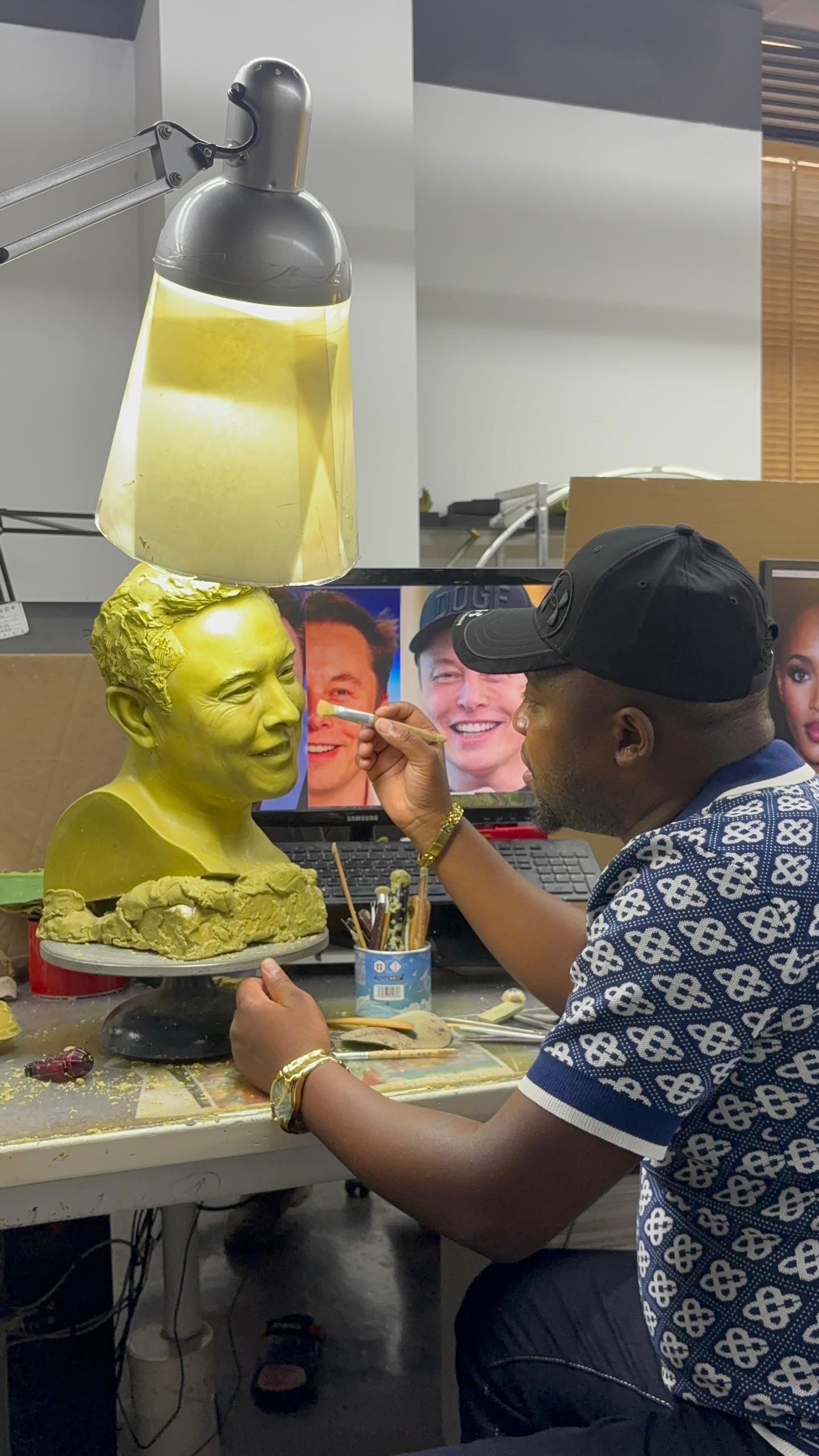
A Bulawayo-based entrepreneur has carved his name into history after becoming Zimbabwe’s first accredited life-size realistic human sculptor, following elite training in China that culminated in the completion of three full-scale human figures — including a strikingly lifelike sculpture of tech billionaire Elon Musk .
Marshal Chiza’s breakthrough places Zimbabwean sculpture firmly on the global map, introducing a level of anatomical precision and realism rarely seen in local public art.
The accreditation, awarded by a Chinese specialist training institution, followed an intensive programme focused on hyper-realism, proportion, and fine anatomical detail — disciplines that demand both artistic mastery and technical discipline.
Speaking after his return, Chiza described the moment as both personal and national.
“This is bigger than me,” he said. “It’s about proving that Zimbabwean artists can meet and exceed international standards when given access to the right training and exposure.”
Known in business circles as the founder of Billionaire Drilling Group, Chiza’s leap into fine art reflects a growing trend of Zimbabwean entrepreneurs blending commercial success with creative ambition.
His next project is already generating attention: a life-size statue of President Emmerson Mnangagwa , which he says will showcase world-class craftsmanship and restore confidence in the quality of national monuments.
Zimbabwe’s public sculpture space has, in recent years, been dogged by controversy, with critics questioning accuracy, dignity, and artistic execution.
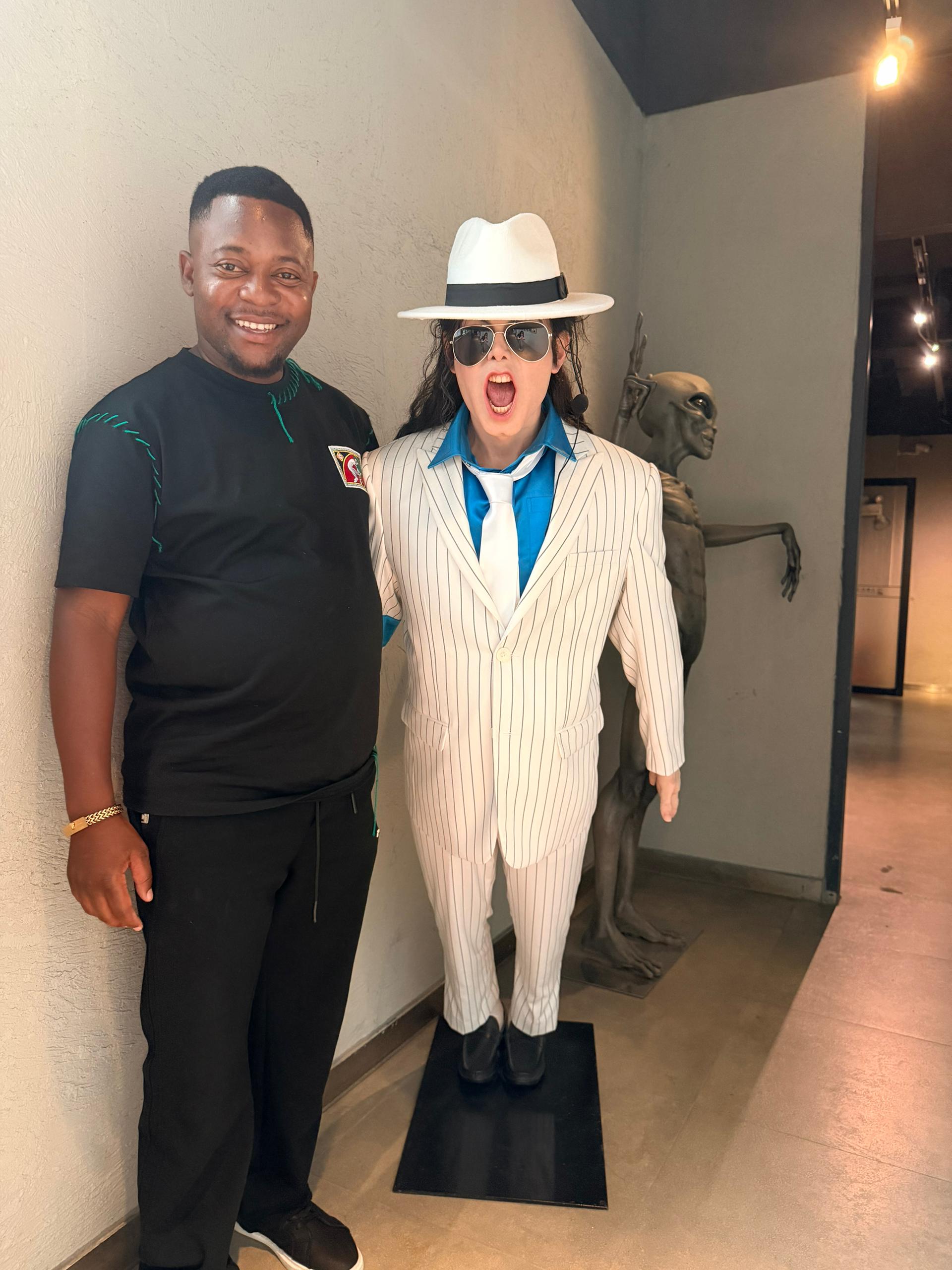
Chiza does not shy away from the criticism.
“There’s a real opportunity to improve how we tell our stories through sculpture,” he said. “Realism demands respect for detail, history, and the subject itself.”
Art analysts note that hyper-realistic sculpture remains a niche discipline in Zimbabwe, where most artists work in abstract or symbolic forms. Exposure to international techniques, they argue, could diversify the sector and open doors to new markets.
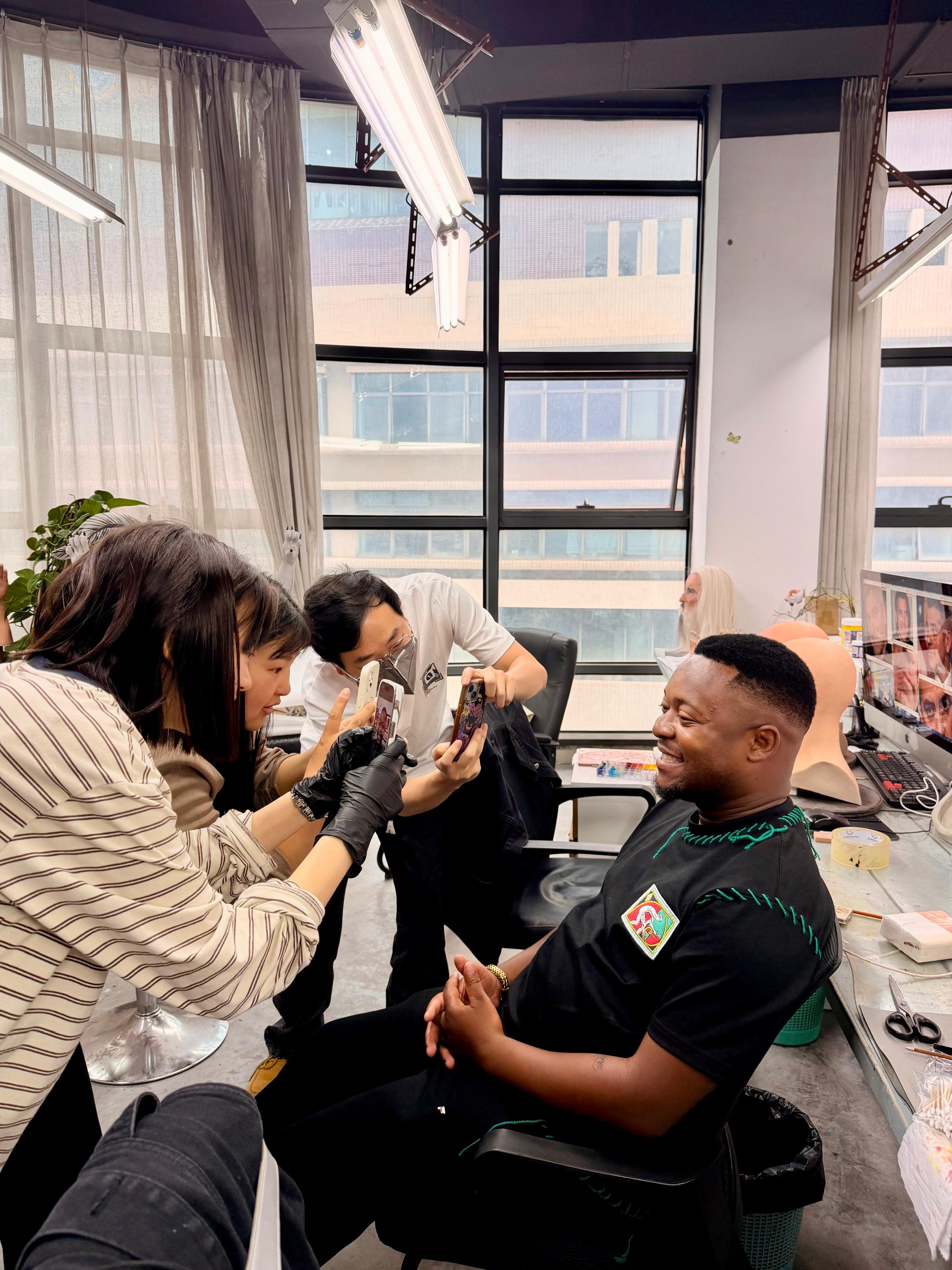
Chiza’s achievement comes against the backdrop of renewed debate around public monuments, following the recent removal of a controversial statue of late liberation icon Joshua Nkomo in Maphisa, Matabeleland South.
The statue, unveiled overnight ahead of Independence Day commemorations, sparked widespread public outrage over its appearance and was swiftly dismantled on the instruction of Matabeleland South Minister of State for Provincial Affairs Albert Nguluvhe .
The episode echoed an earlier 2010 controversy in Bulawayo, when another Nkomo statue was removed after family members and the public said it failed to capture his likeness. A revised monument was later unveiled in 2013 along Joshua Mqabuko Road.
With his China-backed accreditation and growing portfolio of hyper-realistic works, Chiza’s arrival signals a potential turning point — one that could redefine standards, restore public trust in monuments, and usher Zimbabwean sculpture into a new era of global relevance.