harare24dmin
 By: Nicholas Ncube
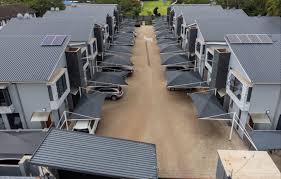
Zimbabwe is in the throes of a visible property and development boom, a phenomenon that, from an economist’s perspective, is a critical indicator of resource re-allocation, capital preservation, and a shifting investment landscape. The physical evidence—from new retail complexes in Gweru, evidenced by the establishment of drive-through franchises like Steers, to the rapid proliferation of upmarket malls in Harare (Madokero, Highland Park, Greenfield Mall)—signals a strong, persistent appetite for fixed assets and commercial space.
The Engines of Growth: Diaspora and Urbanization
This building frenzy is not accidental; it is underpinned by potent economic forces. The primary drivers are twofold: accelerating urbanization and a substantial influx of diaspora remittances.
- Urbanization as a Demand Shock:As more of the population migrates to urban and peri-urban centers like Harare and Gweru, the demand for residential, retail, and office space surges. The persistent national housing backlog, estimated to be over 1.5 million units, ensures that this demand remains high, fueling price appreciation and encouraging new development.
- Diaspora Capital as a Hedging Tool:Critically, a significant portion of property investment, particularly in the high-end and residential segments, is funded by foreign currency, largely from the Zimbabwean diaspora. In an economy historically characterized by currency volatility and inflationary pressures, real estate has cemented its role as a safe havenfor capital. Property, denominated predominantly in US dollars, serves as an effective hedge against local currency depreciation, making it the preferred long-term investment vehicle for preserving wealth.
Structural Shifts and Financial Innovation
The property market’s sophistication is also evolving. The rise in Real Estate Investment Trusts (REITs) listed on the Zimbabwe Stock Exchange (ZSE) marks a significant financial innovation. REITs, such as the Tigere Property Fund, democratize access to high-value, income-generating real estate.
They provide a more liquid investment avenue compared to direct property ownership.
They attract institutional investors (like pension funds) and smaller retail investors, channeling capital into large-scale commercial and residential projects that further stimulate the construction sector.
The USD-denominated revenue streams from these properties offer reliable, inflation-resistant returns, strengthening investor confidence in the sector’s long-term viability.
The Cement Shortage Paradox
The widely reported cement shortages and the resulting spike in construction material prices are, counter-intuitively, a validation of the boom’s intensity. Shortages of key inputs, alongside increased reliance on expensive imported materials, indicate that the aggregate demand for construction has outpaced the local manufacturing and logistics capacity.
While these shortages create supply-side bottlenecks and elevate the final cost of housing (a challenge for affordability), the sheer volume of construction activity—from individual home developments to major commercial complexes—is undeniably contributing to economic growth through:
Job Creation: Directly in construction and indirectly in supporting industries.
Multiplier Effect: Increased demand for complementary services like transportation, banking, and professional services.
Fixed Capital Formation: The creation of durable assets that boost the country’s overall stock of wealth and productive capacity.
Zimbabwe’s property boom is a complex blend of macroeconomic drivers: robust urbanization, capital preservation (driven by economic instability), and modern financial instruments like REITs. While challenges remain, particularly concerning affordability, reliable infrastructure, and the supply chain for materials, the continuous construction activity is a powerful sign of internal economic resilience and the private sector’s conviction in the long-term value of real assets.