harare24dmin
 By Nicholas Ncube
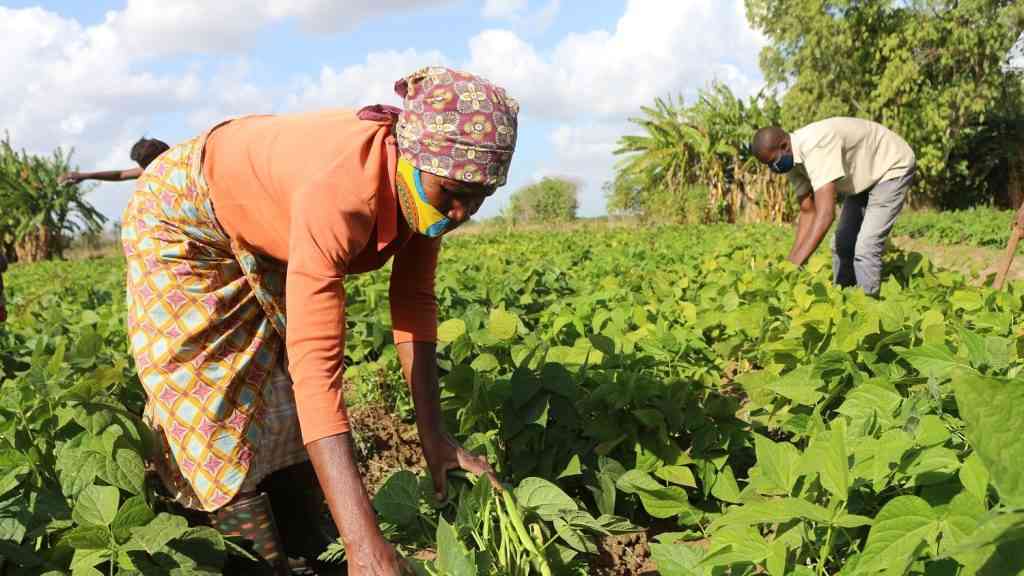
TSHOLOTSHO – In a quiet but powerful show of leadership, Deputy Minister of National Housing and Social Amenities and Tsholotsho South Member of Parliament, Hon. Musa Ncube, recently joined villagers in a weeding exercise, choosing action over ceremony.
Instead of motorcades and formal addresses, Hon. Ncube arrived dressed for work and took her place in the fields alongside local farmers. For the community, it was a reminder that leadership does not distance itself from the people it serves, but walks with them through everyday challenges.
The visit reflected President Emmerson Mnangagwa’s emphasis on servant leadership and productivity, particularly in agriculture. His call for leaders to avoid an “ivory tower” mindset and remain rooted in the realities of ordinary citizens was evident as the Deputy Minister worked side by side with residents.
Agriculture remains a cornerstone of Zimbabwe’s development agenda under the National Development Strategy 2 (NDS2). As the country pursues Vision 2030, food security at household level is seen as essential to broader economic growth and social stability.
“We need leaders who understand that development starts with food on the table,” said one villager. “Her presence here shows respect for the work we do every day.”
Beyond the fields, Hon. Ncube has maintained a visible presence in Tsholotsho South, supporting initiatives focused on water access, social services and community development. Her approach, locals say, is practical and responsive to real needs.
As the day drew to a close, the Deputy Minister left having shared the physical burden of farm work with her constituents. In doing so, she reinforced a simple but important message: nation-building is most effective when leaders and citizens work together, at ground level, towards a common goal.