harare24dmin
 Mt Hampden- As the Ninth Parliament resumes sittings in 2026, attention is already turning to a crop of Matabeleland legislators whose conduct in the previous year, and in some cases their early performance, suggests they will be among the region’s standout performers.
In a House often criticised for absenteeism, muted oversight and weak constituency feedback, these parliamentarians have distinguished themselves through visibility, clarity of purpose and a willingness to confront Ministers on behalf of the electorate.
What unites them is not rhetoric, but method: asking hard questions, demanding timelines, reporting back to communities.
Discent Bajila (Emakhandeni-Luveve)
Emakhandeni-Luveve MP Discent Bajila has steadily built a reputation as one of the most diligent legislators from Matabeleland. In 2025, while many MPs were conspicuously absent during ministerial question time, Bajila consistently took Cabinet ministers head-on, interrogating policy gaps and implementation failures.
What has set him apart is follow-through. Bajila has made it a practice to publicly brief both the nation and his constituency on ministerial responses, effectively closing the accountability loop between Parliament and the people. Parliamentary observers say this is textbook legislative oversight, and one that has restored confidence among constituents who often feel debates in Harare do not translate into local impact.
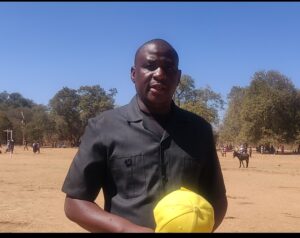 Jabulani Hadebe (Nkayi South)
Nkayi South MP Jabulani Hadebe has emerged as one of the most vocal defenders of rural Matabeleland interests. Known for his no-nonsense style, Hadebe has persistently demanded clarity over the long-delayed Nkayi Road project, pressing Treasury to provide timelines amid reports that suppliers are avoiding the route, worsening shortages of basic materials such as cement.
Beyond the Chamber, Hadebe has taken a hands-on approach to development. He has mobilised personal and locally sourced funds to drill boreholes and has quietly paid school fees for disadvantaged children in his constituency. In a political environment where rural MPs are often accused of silence, Hadebe’s consistency has made him a notable exception.
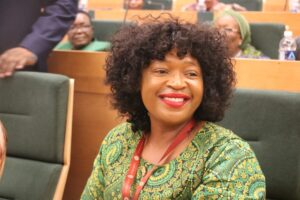
Senator Nonhlanhla Mlotshwa
Dubbed by supporters as the “young lioness of Matabeleland,” Senator Nonhlanhla Mlotshwa came into her own in the final quarter of last year. She gained national attention after forcefully questioning the Zimbabwe Revenue Authority over the introduction of inland checkpoints from border posts, a move that sparked widespread public concern.
Her readiness to confront powerful institutions has earned her a reputation as a fearless advocate. With the courts recently confirming her position as the overall Chief Whip of the opposition in Parliament, Mlotshwa enters 2026 with enhanced authority and political momentum. Colleagues expect her to be a central figure in shaping opposition strategy and oversight in the new session.
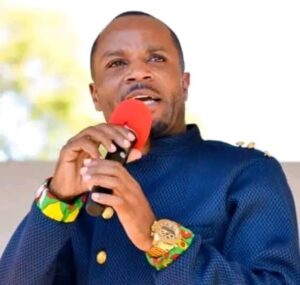
Freedom Murechu (Nkulumane)
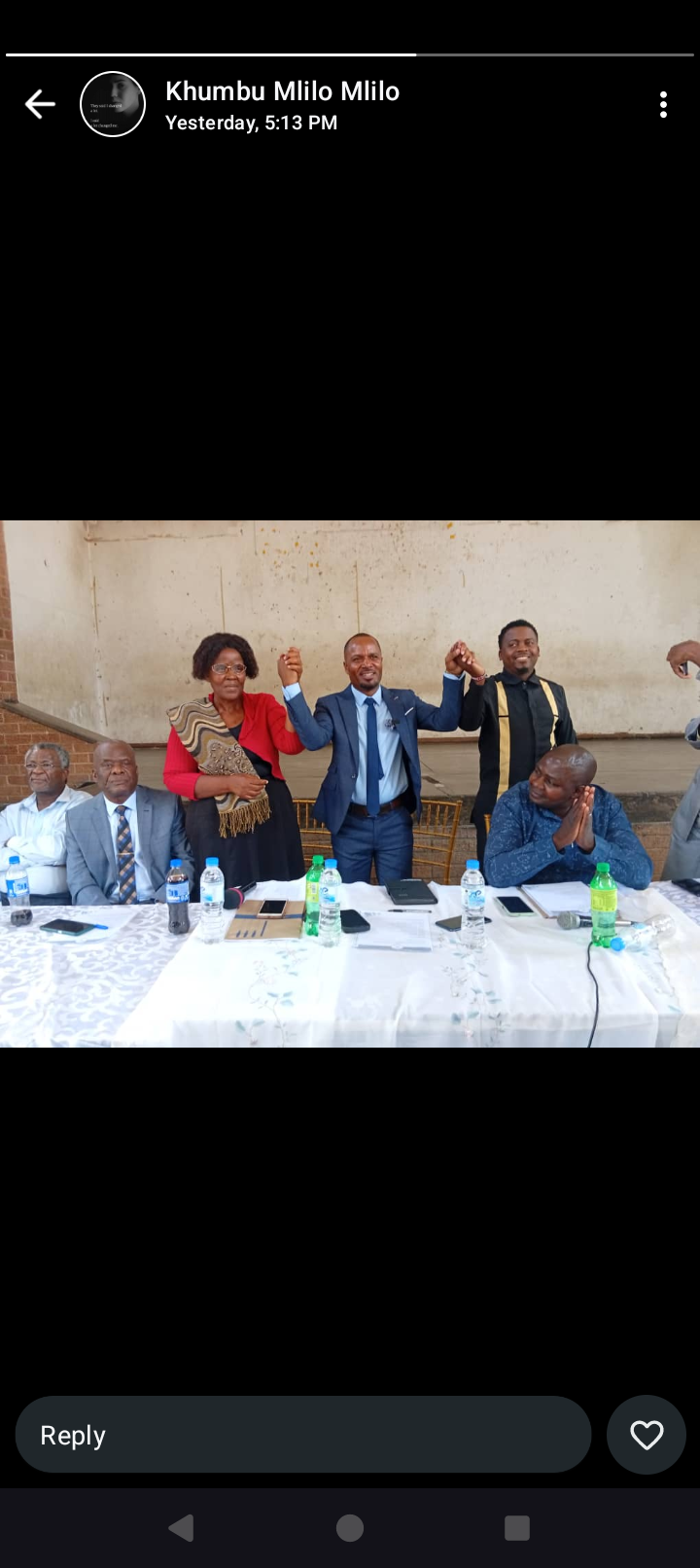
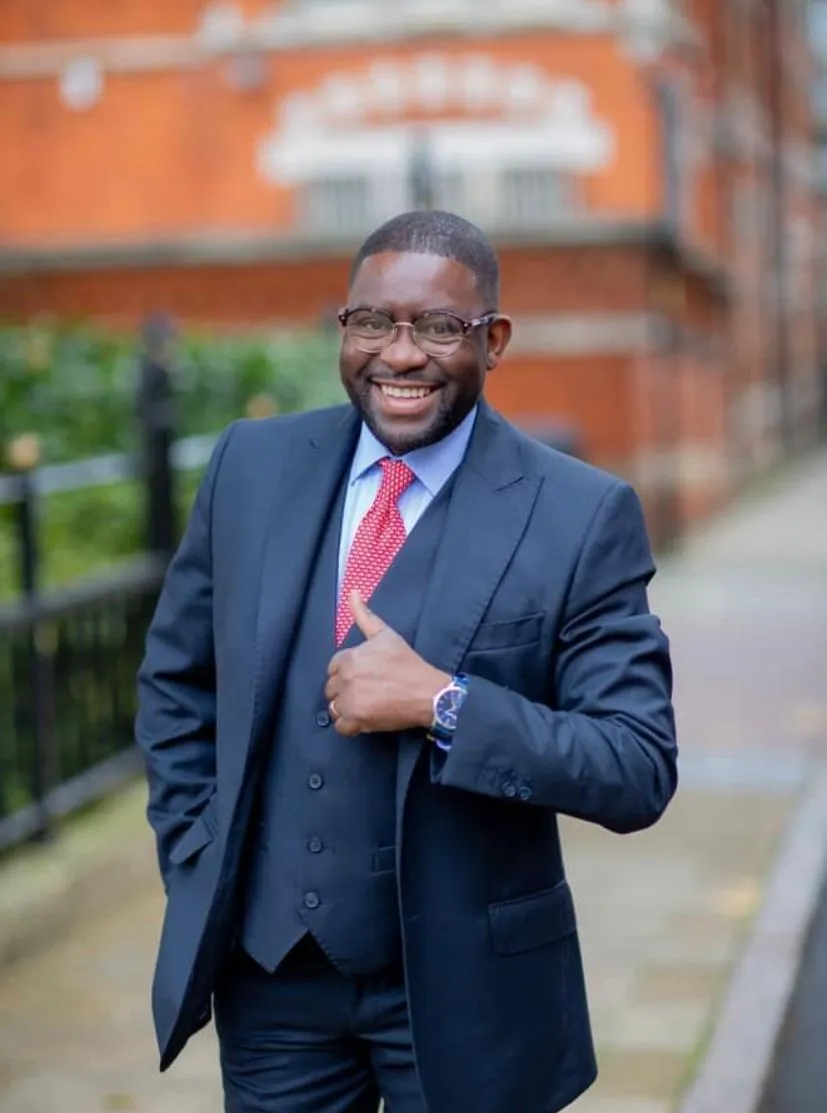
Newly elected Nkulumane MP Freedom Murechu is one of the few first-term legislators already attracting serious attention. During the campaign period, Murechu stood out for his calm, issue-driven approach and a clear, inclusive vision for development. His performance at a widely attended town hall debate at Nkulumane Hall convinced many residents that he was best suited to represent the constituency.
Since his election, Murechu has moved quickly from words to action, overseeing the drilling of solarised boreholes across Nkulumane while local authorities and central government work on longer-term solutions. Constituents describe him simply as an MP who “walks the talk,” a rare endorsement so early in a parliamentary career.
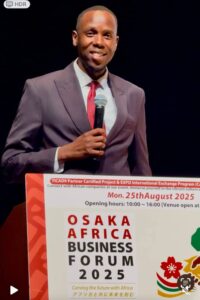
Albert Tawanda Mavunga (Nketa)
Nketa MP Albert Tawanda Mavunga, now serving as a Deputy Minister, has redefined expectations of junior ministers. Rather than retreating into protocol-heavy government spaces, Mavunga has remained visible and accessible, embedding himself in community life across Matabeleland.
He has attended cultural events, engaged traditional leaders and participated in regional programmes such as Chief Dakamela’s awards and the Bulawayo Day Carnival Parade. Supporters say this blend of governmental responsibility and grassroots engagement has strengthened his standing as both a people’s MP and a credible representative of the Executive.
Why They Matter in 2026
Political analyst Tinashe Moyo believes the group signals a shift in Matabeleland’s parliamentary profile.
“These are legislators who have demonstrated that Parliament can still work when MPs are prepared to do the basics well – attend, question, report back and act. Their performance last year suggests Matabeleland will have a stronger, more assertive voice in 2026.”
Social commentator Nthabiseng Dube agrees, pointing particularly to emerging leadership.
“What is striking is the energy and discipline among these younger parliamentarians. The new Nkulumane MP, in particular, has shown in a short time that leadership is about delivery. This is a generation Matabeleland should be watching closely as Parliament opens.”
As the new parliamentary session begins, expectations will be high. For these five legislators, 2026 presents an opportunity not just to maintain momentum, but to set a benchmark for representation from Matabeleland that is visible, accountable and results-driven.